

In Florida, drowning prevention depends on supervision and safe conditions around water. When a child drowns or nearly drowns, the legal question is not “Who can we blame?” It is “How did the child reach the water, who was responsible for preventing that access, and were reasonable safety steps missing or overlooked?”
Water is part of ordinary life here. Your child does not have to be at the beach or on vacation for a serious water risk to be nearby. A backyard swimming pool, apartment pool, hotel pool, retention pond, lake, or rental property with pool access can become dangerous when a child reaches the water before an adult realizes what is happening.
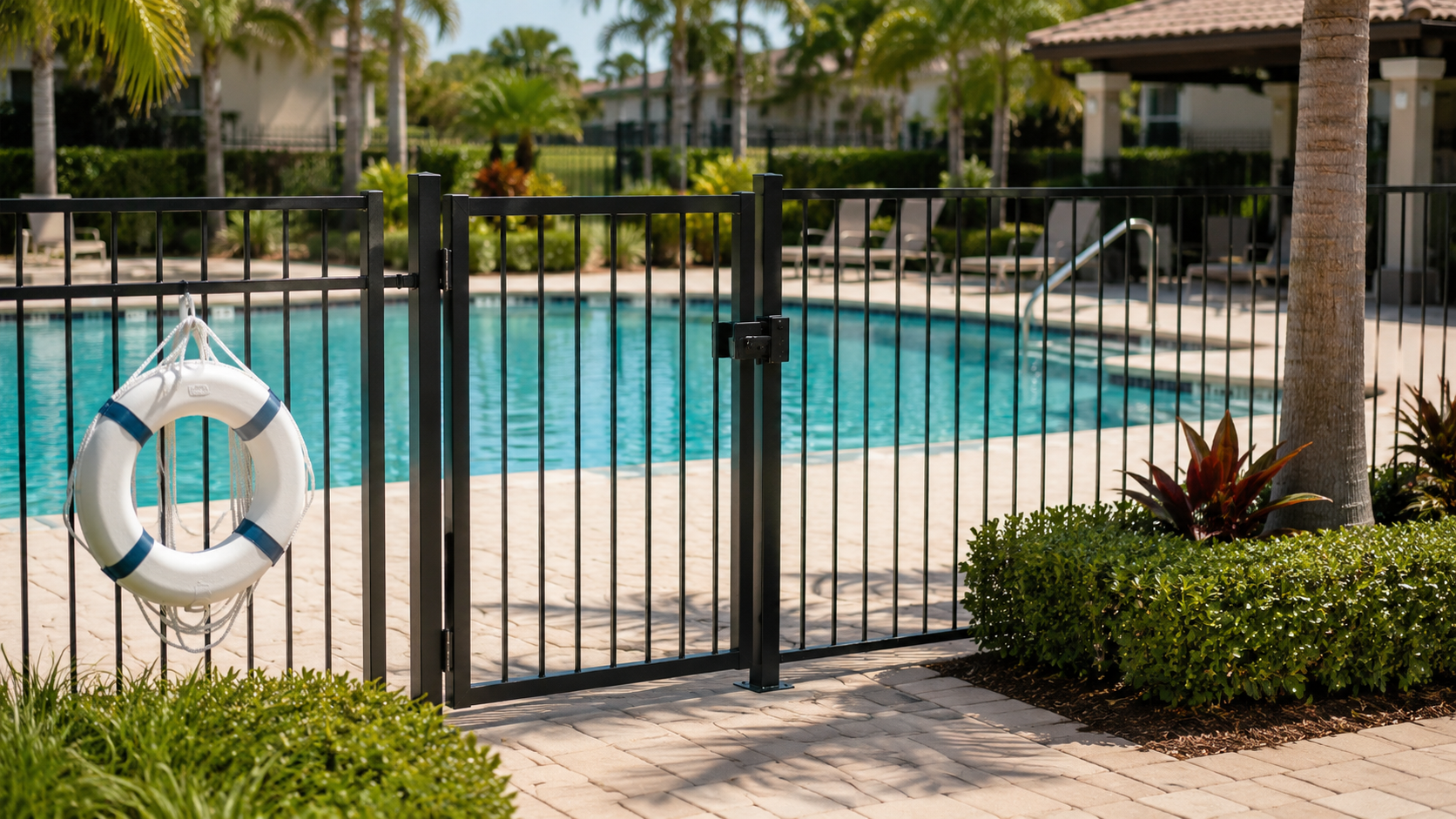
Child drowning prevention cannot depend on one layer of protection alone. Close supervision matters, but so do secure gates, working locks, pool barriers, alarms, approved safety covers where applicable, rescue equipment, proper lighting, and clear rules about who is watching the water.
When a child drowns or nearly drowns, families are often left with painful questions. How did my child reach the water? Was the pool area supposed to be secured? Was someone responsible for supervision? Had anyone noticed the problem before? Could this have been prevented?
Those questions are not about looking for someone to blame. They are about finding out what happened and whether someone failed to take reasonable steps to keep your child safe.
Why Water Safety Requires More Than Careful Supervision
Most parents understand that children need to be watched closely around water. Still, drowning can happen quickly and quietly. A child may not call out, splash, or make enough noise to draw attention.
That is why water safety works best when supervision is supported by physical safeguards and a clear plan for who is watching the water. A secure gate can slow a child down. A working alarm can alert adults. A proper barrier can keep a child from entering the pool area unnoticed. Clear supervision rules can prevent the confusion that happens when several adults each assume someone else is watching.
These protections do not replace adult supervision. They give adults more time to notice a problem and act before a child reaches the water.
What Families Should Watch for Around Pools and Water
If your child is near a pool or other water hazard, one of the first questions is whether the child can reach the water without being stopped or noticed. Swimming ability matters, but it should never be treated as a substitute for supervision, barriers, or other safety measures. That question applies at homes, apartment complexes, hotels, community pools, daycares, camps, schools, and short-term rentals.
A well-secured pool area should make it harder for a child to reach the water alone and easier for an adult to notice a problem quickly. Gates should close and latch. Barriers should block easy access. Doors leading to a pool should be secured. Alarms should work if they are part of the safety plan. Rescue equipment should be available where required or appropriate. If children are being supervised by a facility, staff should know who is responsible for watching them near water.
These details matter because water risks can become dangerous quickly when children are present. The goal is to slow a child down, alert an adult, and make sure someone knows who is watching the water.
The Question After a Drowning Is How the Child Reached the Water
After a drowning or near-drowning, people often focus on the final moments. Who saw the child last? Who was supposed to be watching? How long was the child in the water?
Those questions matter, but they are not the only questions. We also look at what happened before the child reached the water. Was there an unlocked gate? Did a fence fail to secure the area? Was there direct access from a door or patio? Was a known hazard left uncorrected? Were children allowed near water without a clear supervision plan?
This is where prevention and legal responsibility begin to overlap. If a child reached the water because a safety measure was missing, broken, overlooked, or poorly managed, the facts deserve careful review.
When a Child Drowning Accident Can Support a Legal Claim
If your child drowned or nearly drowned, you do not have to know whether you have a legal claim before speaking with a lawyer. That is what the investigation is for. A claim can exist when the evidence shows that someone had a legal duty to use reasonable care and failed to take reasonable steps to protect a child from a foreseeable danger.
At Brooks LeBoeuf, that review starts with two main questions: who controlled the water area, and who was responsible for the child at the time. In some cases, the review focuses on a property owner, landlord, hotel, apartment complex, HOA, or rental property owner responsible for keeping a pool, pond, gate, barrier, or common area reasonably safe. In others, the focus is on supervision by a daycare, camp, school, babysitter, or other program caring for the child.
We also look at whether any safety equipment, repair work, or maintenance issues played a role. If a gate, alarm, barrier, cover, or other safety device failed, the review may need to include the company or person responsible for installing, maintaining, or repairing it.
The key issue is not simply who owned the pool. The review focuses on control, responsibility, notice, and whether reasonable safety steps were taken before the incident occurred.
Not every drowning is a legal claim. But your family should not have to accept “it was just an accident” without having the facts reviewed.
What Facts Should Be Reviewed After a Child Drowning Accident?
If your child drowned or nearly drowned, it is important to understand the conditions around the water before conclusions are made. That review may include the layout of the pool or water area, the location of gates or doors, whether barriers or alarms were working, whether safety rules applied, and whether anyone documented what happened at the time.
If your child was in someone else’s care, supervision also has to be reviewed carefully. That does not mean assuming a caregiver, staff member, or facility did something wrong. It means looking at the supervision plan, who was responsible for watching the child, what adults understood their roles to be, and whether the circumstances gave them a reasonable opportunity to respond.
Evidence can become harder to evaluate over time. Gates may be repaired. Alarms may be replaced. Video footage may be overwritten. Witnesses may forget details. Incident reports may not include everything a family needs to understand. Preserving information early helps your family and your legal team review what happened based on facts, not assumptions.
Near-Drowning Injuries Can Affect a Child for Years
A near-drowning, sometimes called a nonfatal drowning, can leave a child with serious medical needs. Oxygen deprivation can lead to brain injuries, respiratory complications, seizures, developmental problems, and long-term care needs.
For your family, this means the review cannot stop with how the incident happened. It also needs to account for what your child’s recovery, treatment, therapy, and future support may require. Before you give a recorded statement or discuss any early resolution with an insurance company, it is important to understand the medical picture as clearly as possible.
When Should You Speak With a Tallahassee Personal Injury Lawyer?
You should consider speaking with a Tallahassee personal injury lawyer if your child drowned or nearly drowned on someone else’s property, in a supervised setting, or near a pool or water hazard that should have been secured. You should also seek guidance if an insurance company contacts you before you understand what happened.
At Brooks LeBoeuf, we understand that families often come to us because they need answers. We review the facts, identify who had responsibility for the property or supervision, preserve important evidence, and explain what Florida law allows based on the circumstances.
If you are asking whether your child’s drowning or near-drowning could have been prevented, Brooks, LeBoeuf, Foster, Gwartney, Hobbs, Fusco & Richards, P.A. can help you take the next step.
To speak with a member of our team, contact Brooks LeBoeuf for a free case evaluation.
Disclaimer: This blog is for general informational purposes only and is not legal advice. Reading this blog does not create an attorney-client relationship. Every case depends on its specific facts, and you should speak with a qualified attorney about your situation.