

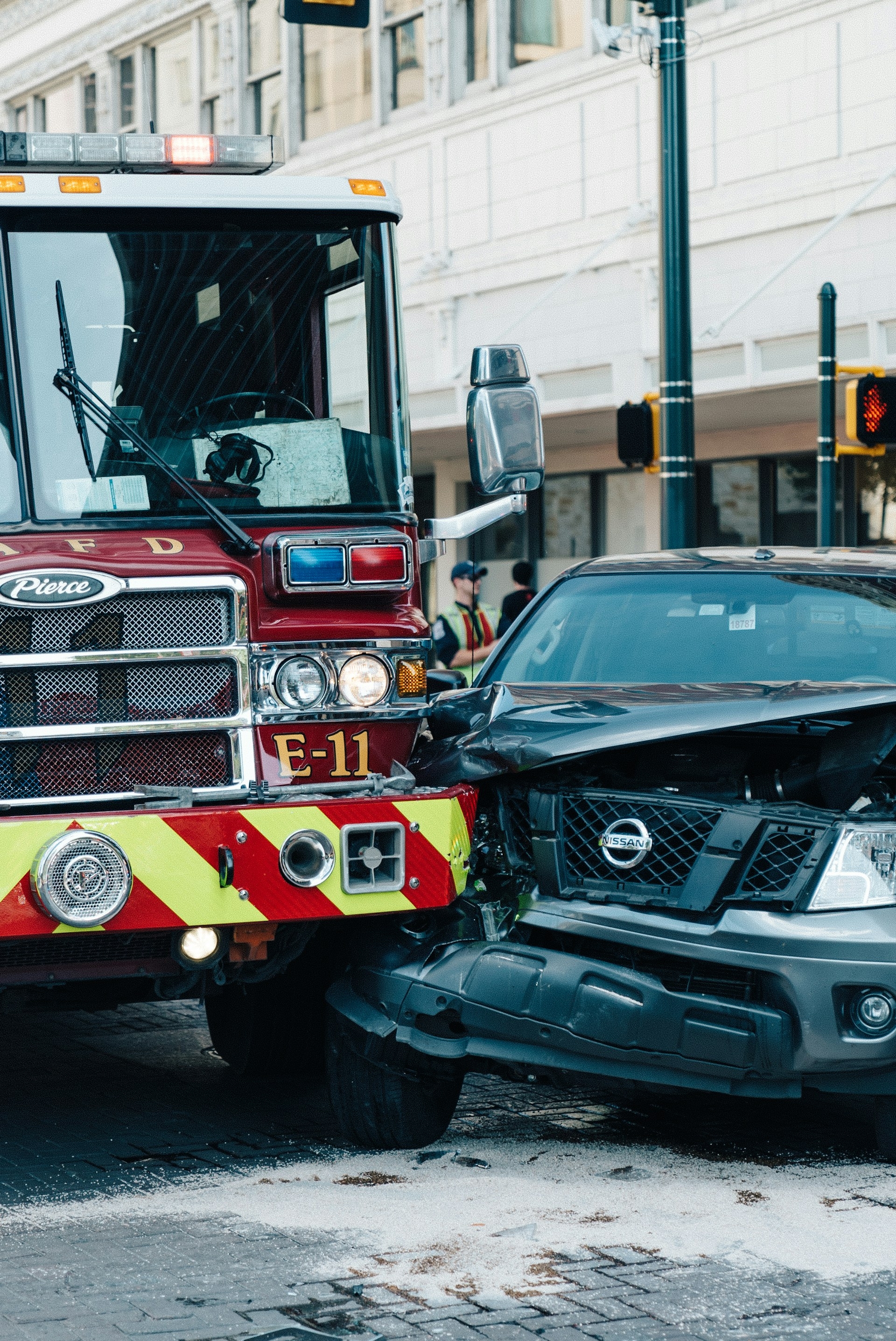
A state-owned car, public bus, utility truck, or another government vehicle hit you in Tallahassee. Now you may be dealing with medical appointments, damage to your vehicle, missed work, and uncertainty about who is responsible and where to direct your claim.
You may be wondering what comes next. Should you contact the driver’s agency? Can a city, county, or state department be held responsible? Does sovereign immunity prevent you from taking legal action?
If a government employee negligently caused a collision that injured you, you may have an auto accident claim, but the process differs from an ordinary claim against a private driver. Florida law permits certain negligence claims against government entities while imposing specific notice rules, payment limits, and filing requirements.
That makes it important to identify the responsible entity, determine whether the driver was performing government work, and preserve evidence that could otherwise be lost.
Was the Driver Working for a Government Agency?
As Florida’s capital, Tallahassee has state and local government vehicles on its roads every day. They include vehicles operated by state agencies, the City of Tallahassee, Leon County, local school districts, public universities, transit services, public works departments, and public utilities.
A logo on the door can help identify the vehicle, but it does not answer every liability question. A government employee could be driving a rented or otherwise authorized vehicle. A vehicle performing a public service could instead be owned or operated by a contractor.
An investigation should therefore examine:
- Who owned or leased the vehicle
- Who employed and supervised the driver
- What the driver was doing when the crash occurred
- Which entity controlled the work
- Whether the driver was acting within the scope of employment
These facts help determine whether the claim should be directed against a government entity, a private party, or more than one responsible party.
This article focuses on vehicles operated for Florida state and local entities. A crash involving a federal employee or federal vehicle follows a different claims process. Emergency responses and police pursuits can also involve additional legal standards.
Can You Bring a Claim After a Tallahassee Government Vehicle Accident?
Sovereign immunity does not prevent every injury claim against a government entity.
Under Florida Statutes § 768.28, Florida has waived sovereign immunity for certain claims involving negligent or wrongful conduct by government employees acting within the scope of their employment. The waiver applies only under the procedures and limitations established by the statute.
You must still establish the underlying personal injury claim. The evidence must show that the driver or another responsible party failed to use reasonable care and that this conduct caused the collision, your injuries, and related losses.
Depending on what happened, the investigation could examine whether the driver:
- Failed to yield or obey a traffic signal
- Followed another vehicle too closely
- Made an unsafe turn or lane change
- Drove while distracted
- Traveled too fast for the traffic or weather conditions
- Failed to inspect the vehicle or secure equipment before driving
Once the evidence shows how the crash happened, the next question is which person or entity is legally responsible.
Is the Government Agency Responsible for Its Driver?
When a government employee causes a crash while acting within the scope of employment, the claim is generally directed against the responsible government entity rather than the employee personally.
Different rules can apply if the employee was acting outside the scope of employment or acted in bad faith, with a malicious purpose, or with wanton and willful disregard for the rights, safety, or property of others. Depending on the circumstances, the employee, the government entity, or another party could be responsible.
Most government vehicle claims involve alleged negligence rather than intentional misconduct. The investigation, therefore, often centers on whether the employee was carrying out assigned work when the collision occurred.
The answer can depend on the employee’s destination, assignment, route, authority to use the vehicle, and purpose for driving. Examining those facts can also reveal the involvement of another agency, vehicle owner, contractor, or private driver.
Do You Have to Notify the Government Before Filing a Lawsuit?
The presuit notice requirement is one of the most important differences between a government claim and an ordinary accident claim.
Before filing many lawsuits against a Florida government entity, the injured person must provide written notice of the claim to the appropriate agency. Claims against the state or one of its agencies generally must also be presented to the Florida Department of Financial Services.
For claims against counties or municipalities, written notice generally goes to the appropriate local government entity without the additional notice to the Department of Financial Services.
The deadline for giving notice also matters. For most claims covered by Florida Statutes § 768.28, written notice must be presented within three years after the claim accrues. A wrongful death claim generally carries a two-year notice period.
The proper recipient depends on whether the potential defendant is a state department, municipality, county, school board, public university, transit authority, or another public entity.
A crash report, a conversation with an agency employee, or contact with an insurance representative does not necessarily satisfy the written-notice requirement. The claim must be directed to each required recipient.
At Brooks LeBoeuf, we work to identify the public entities involved and determine which notice requirements apply. After proper notice, the agency ordinarily receives time to investigate and respond before a lawsuit proceeds. This pre-suit process is separate from the final deadline for filing the lawsuit.
Does Florida Limit What a Government Entity Must Pay?
Florida law currently limits the amounts that a state agency or subdivision is required to pay under its waiver of sovereign immunity.
As of July 2026, those limits generally remain:
- $200,000 for one person
- $300,000 for all claims arising from the same incident
A judgment can exceed those amounts. Payment above the statutory limits generally requires further legislative action, although a government entity can, in some circumstances, agree to resolve a claim within available insurance coverage.
These limits do not determine what a particular claim is worth. The value depends on the evidence, who is responsible, what insurance or other coverage applies, the severity of the injuries, medical expenses, lost income, future needs, and the other effects of the crash.
The limits also make it important to investigate everyone who contributed to the collision. Another driver, vehicle owner, manufacturer, or contractor could share responsibility. Whether a contractor is treated as a private party or as an agent of the government depends on the contract, the work performed, and the contractor’s legal relationship with the agency.
What Evidence Could Help Prove What Happened?
A government agency can hold records that would not ordinarily exist after a collision involving two privately owned passenger vehicles.
Relevant records can include:
- Dashboard, body-camera, bus, or traffic-camera footage
- GPS, telematics, route, and dispatch information
- Driver schedules, assignments, and work orders
- Vehicle inspection and maintenance records
- Agency policies, training records, and communications
Your own evidence remains equally important. Keep photographs of the vehicles, agency markings, license plates, roadway, traffic controls, visible injuries, and property damage. Save witness information, medical paperwork and bills, wage documentation, repair estimates, and all communications about the claim.
Video and electronic data can be overwritten, and a government vehicle can be repaired and returned to service. Florida’s public-records laws provide access to many agency records, but not every investigative, security, personnel, or claims record is immediately available to the public.
How Long Do You Have to Take Legal Action?
The notice deadline and the lawsuit-filing deadline are not the same.
Florida generally applies a two-year statute of limitations to negligence claims, but claims governed by Florida’s sovereign-immunity statute are subject to a specific rule. Section 768.28 generally allows four years to file many negligence actions against state and local government entities, although separate presuit-notice deadlines apply and wrongful-death claims have a shorter limitations period.
You should not assume that the longest possible period applies to your case. The written-notice deadline can arrive earlier, and a private party involved in the crash could be subject to a different filing period.
Waiting can also make a claim harder to investigate. Witnesses may become difficult to locate, memories can fade, and other important information may become harder to obtain.
What Should You Do After the Crash?
Your health comes first. Report the collision, seek appropriate medical care, and follow the treatment instructions you receive.
When possible, record the government vehicle’s markings, license plate, unit number, and employing agency. Keep the crash report and any communications you receive from the agency or its insurer.
Be cautious before giving a recorded statement or signing a release or broad medical authorization. Understand who is requesting the information and how it could affect your claim.
Do not assume that reporting the collision or contacting one government office has satisfied every legal requirement. The responsible entity and required notice recipients must still be identified correctly.
Injured by a Government Vehicle in Tallahassee? Brooks LeBoeuf Can Help
After a serious collision, you should be able to focus on your health and your family rather than trying to determine which agency handles your claim.
At Brooks LeBoeuf, our Tallahassee personal injury lawyers represent injured people and families throughout Leon County, the Florida Panhandle, North Florida, and across the state. We determine which public and private parties may be responsible, gather the evidence needed to evaluate the claim, and guide clients through the notice and filing requirements that apply to government vehicle accidents.
If you were injured in a Tallahassee government vehicle accident, contact Brooks LeBoeuf for a free consultation. We will listen to what happened, examine the circumstances surrounding the crash, and explain the legal options that apply to your situation.
Disclaimer: Results may vary depending on your particular facts and legal circumstances. The articles on this blog are for informational purposes only and are no substitute for legal advice or an attorney-client relationship. If you are seeking legal advice, please contact our law firm directly.