

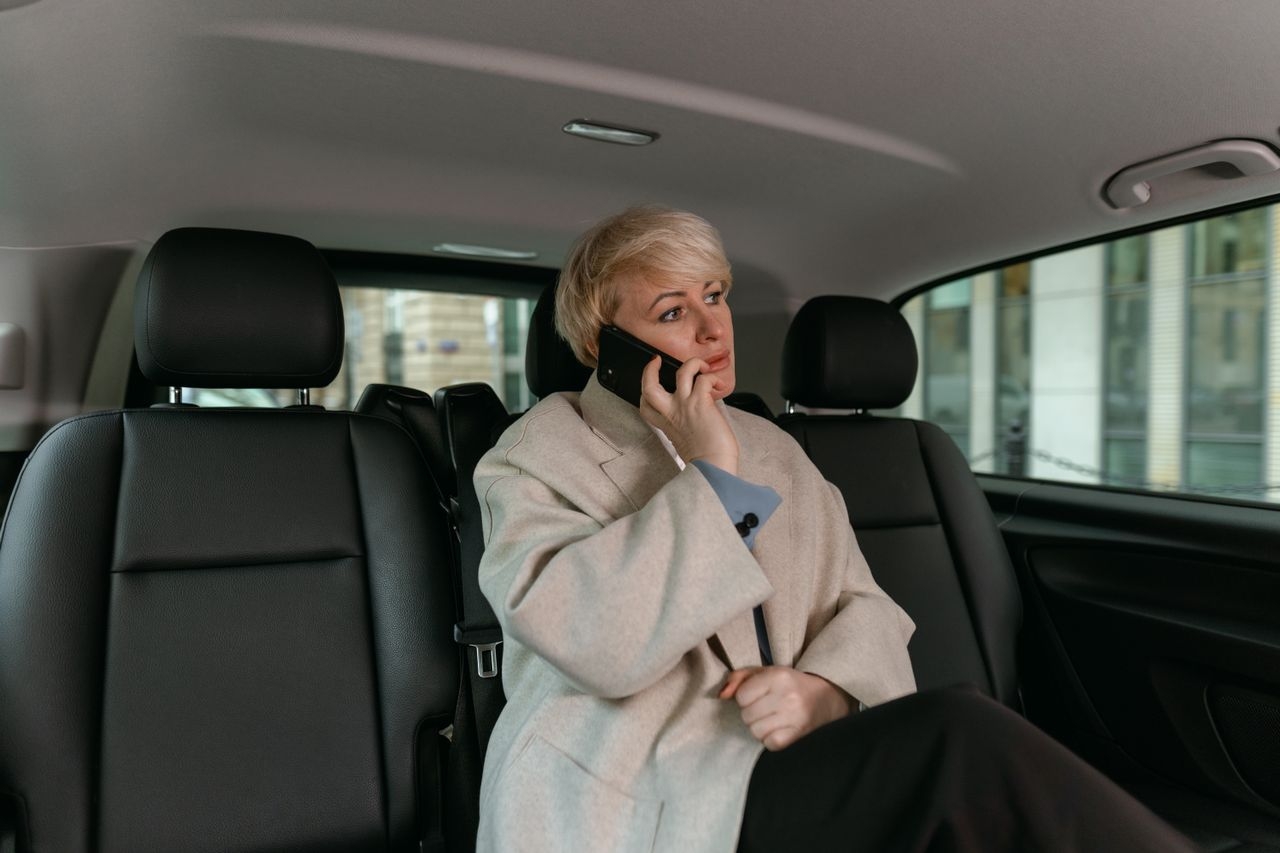
You requested an Uber or Lyft in Tallahassee, got into the vehicle, and expected an ordinary ride.
Then the driver was hit at an intersection, rear-ended in traffic, or collided with another vehicle before you reached your destination.
Now you are dealing with injuries and an insurance question you probably did not expect: Whose policy is supposed to cover you?
A rideshare passenger can potentially have several sources of insurance to examine after a crash. Which coverage applies can depend on whether the ride had already been accepted, who caused the collision, what insurance policies were in effect, and whether additional coverage is available to you.
Understanding those layers can help make sense of what happens after an Uber or Lyft crash in Tallahassee.
Does Rideshare Insurance Apply When You Are a Passenger?
Yes. If you were riding in an Uber or Lyft when the crash occurred, the driver was engaged in what Florida law calls a prearranged ride.
Under Florida Statute § 627.748, a prearranged ride begins when a rideshare driver accepts a rider's request through the app and continues until the last rider exits the vehicle.
During that period, Florida law requires automobile insurance providing at least $1 million in primary liability coverage for death, bodily injury, and property damage.
That does not mean every injured passenger automatically has a $1 million claim. Liability coverage generally becomes relevant when the rideshare driver or another insured party is legally responsible for the crash, and the amount potentially recoverable depends on the injuries, damages, fault, and available coverage.
The required coverage can be maintained by the driver, the vehicle owner, the rideshare company, or a combination of those sources. If the driver's insurance has lapsed or does not provide the required coverage, the statute requires the transportation network company's insurance to provide the required coverage.
That makes the driver's status at the time of the crash an important part of the insurance analysis.
Why Does the Driver's App Status Matter?
Rideshare insurance changes depending on what the driver was doing when the collision occurred.
If the driver was logged into the app but had not yet accepted a ride, Florida law requires a lower level of liability coverage: at least $50,000 for bodily injury or death per person, $100,000 per incident, and $25,000 for property damage.
Once the driver accepts a ride request, however, the prearranged-ride requirements apply.
For a passenger who is already in the vehicle, that distinction is usually straightforward: the trip has already been accepted and is in progress.
What can still require investigation is which insurer is providing the required coverage, what other policies are available, and who caused the crash.
Does Florida PIP Still Matter If You Were an Uber or Lyft Passenger?
Often, yes. Florida Personal Injury Protection (PIP) medical benefits are available only if you receive initial treatment within 14 days of the crash. If you’ve been in a crash within the last two weeks and have not been seen by a doctor yet, do not wait.
Florida law requires the insurance applicable during a prearranged rideshare trip to include PIP benefits. But determining which PIP coverage applies to a particular passenger can still require looking at the passenger's own insurance status and the policies involved. Generally, if you own an insured vehicle or live with a relative who does, that PIP policy usually pays before any other insurance policy. If neither you nor any relatives living with you own an insured vehicle, then the PIP policy on the rideshare vehicle would apply.
PIP is an insurance policy with compensation limits low enough that medical bills can easily exceed the amount of funds provided. Depending on fault and available coverage, a passenger may also have a liability claim against the rideshare driver or another responsible motorist. Florida's serious-injury threshold is particularly important when someone seeks noneconomic damages such as pain and suffering.
Under Florida Statute § 627.737, those damages must meet the following threshold: significant and permanent loss of an important bodily function, permanent injury, significant and permanent scarring or disfigurement, or death.
What If Another Driver Caused the Uber or Lyft Crash?
The rideshare driver is not always the person who caused the collision.
Another motorist may run a red light, rear-end the rideshare vehicle, make an unsafe turn, or otherwise cause the crash.
When that happens, the other driver's liability insurance can become part of the claim.
The rideshare insurance still matters because you were occupying a rideshare vehicle during a prearranged trip, but the existence of that coverage does not eliminate the need to identify who was responsible for the collision.
That is why the police report, witness information, photographs, and other evidence can be important even when the passenger had no role in causing the crash.
At Brooks LeBoeuf, we look at both questions: who caused the crash and which insurance coverage may apply. Separating those issues can help clarify which policies need to be reviewed and which parties may be involved in the claim.
Could Uninsured or Underinsured Motorist Coverage Apply?
Potentially.
Florida's rideshare statute addresses uninsured and underinsured motorist coverage by requiring the applicable insurance to comply with Florida's UM/UIM law while the driver is logged into the rideshare network and during a prearranged ride. Because Florida law permits UM coverage to be rejected or provided at lower limits in certain circumstances, the existence and amount of that coverage should be confirmed from the actual policy.
Your own UM/UIM coverage may also need to be examined depending on your policy and the circumstances.
This can become particularly important when another driver causes the collision but has no insurance or does not have enough liability coverage to account for the passenger's injuries.
What Should You Preserve After a Tallahassee Rideshare Crash?
If you are able to do so safely, preserve information showing that you were a passenger and documenting what happened.
That can include:
- The Uber or Lyft trip receipt
- Screenshots showing the trip and driver
- The driver's name and vehicle information
- The crash report or report number
- Photographs of the vehicles and scene
- Witness names and contact information
- Medical records and bills related to the collision
- Communications from Uber, Lyft, or any insurer
Florida law requires rideshare companies to maintain individual ride records for at least one year. During a coverage investigation, the company must also provide the driver's precise log-on and log-off times for the 12 hours before and 12 hours after the accident when requested by a directly involved party or, when applicable, the driver's insurer.
Do not delay needed medical care while trying to document the claim.
Injured as an Uber or Lyft Passenger in Tallahassee?
A rideshare passenger may have several insurance policies to examine after a crash, and the answer can depend on who caused the collision, the driver's app status, and the coverage available under the applicable policies.
At Brooks LeBoeuf, we can review how the crash happened, determine what the rideshare driver was doing at the time, examine the available insurance coverage, and help identify the issues that matter under the circumstances.
Most Florida negligence claims arising from incidents after March 24, 2023 must be filed within two years. Time is of the essence in these matters, so do not delay getting medical treatment or securing legal representation.
If you were injured while riding in an Uber or Lyft in Tallahassee or North Florida, contact Brooks LeBoeuf today at 850-605-3555 for your free case evaluation.
Disclaimer: Results may vary depending on your particular facts and legal circumstances. The articles on this blog are for informational purposes only and are no substitute for legal advice or an attorney-client relationship. If you are seeking legal advice, please contact Brooks, LeBoeuf, Foster, Gwartney, Hobbs, Fusco & Richards, P.A. directly.